
WHO WE ARE
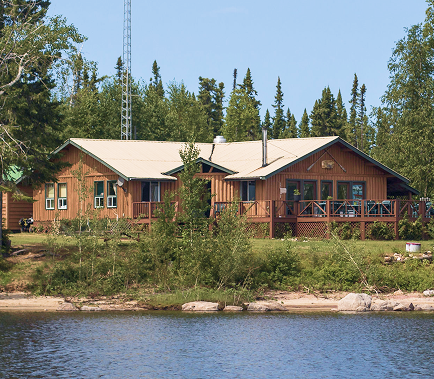
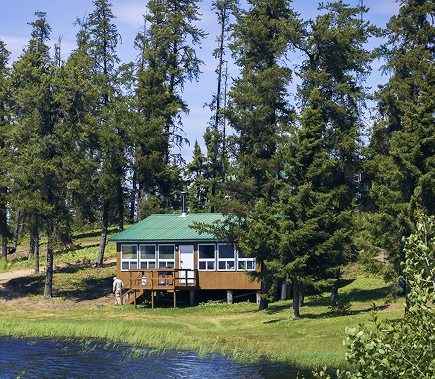
Welcome to Wilderness North, your gateway to quintessential Canadian fly-in fishing in Northwestern Ontario. As the largest collection of fly-in lodges and outpost cabins in the region, we provide an unparalleled experience amidst the breathtaking beauty of the vast boreal forest. Let us guide your next unforgettable Canadian fishing trip, where big fish dreams become a thrilling reality.
FISHING PACKAGES
With Wilderness North, customize a trip of a lifetime.
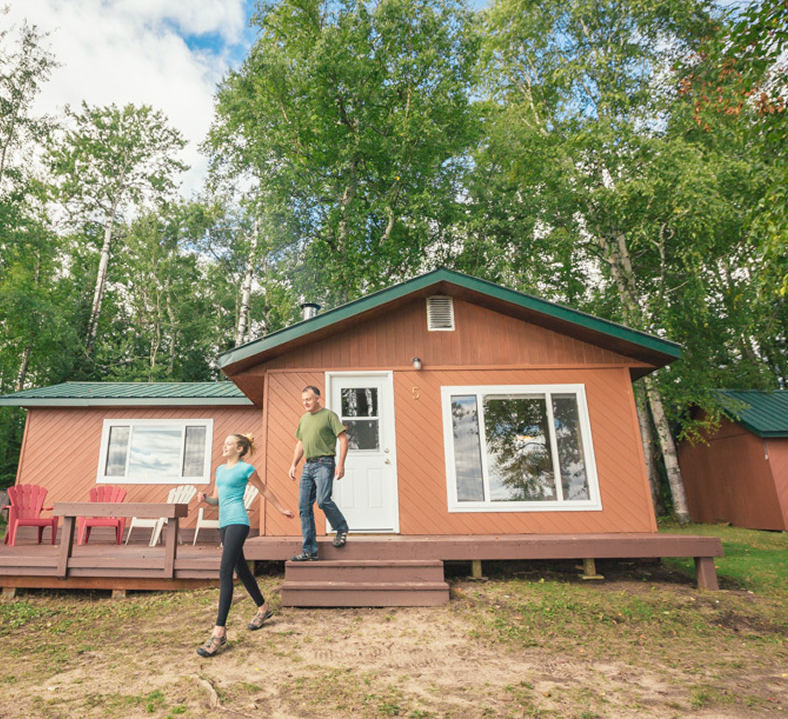
Housekeeping Lodges
Outpost Cabins
Starting at $1,300 pp USD
DISCOVERHOW IT WORKS
CHOOSE YOUR EXPERIENCE
Start by deciding what kind of Canadian adventure you're seeking. Do you dream of landing a trophy pike, or is fast-action walleye fishing your goal? We also offer guided adventures and corporate retreats tailored to your group's specific interests.
SELECT YOUR DESTINATION
Review our collection of fly-in lodges and outpost cabins to find the perfect basecamp for your trip. Destinations range from Full-Service Lodges, where every detail is handled, to Light Housekeeping or Outpost Camps, offering a more self-sufficient, raw wilderness experience. Each location is chosen for its superior fishing and solitude.
BOOK YOUR TRIP
Once you've chosen your experience and destination, simply contact our team to confirm your ideal dates. We will finalize your booking details and provide you with a comprehensive pre-trip information package. All that's left for you to do is pack your gear and prepare for a true fly-in fishing adventure!
IT'S ALL ABOUT THE NORTH
We have been sharing the Northwestern Ontario wilderness with our guests for 30 years. Our conservation practices have paid off and the proof is there; our fisheries are amazing. We service our 3 full service lodges, 2 housekeeping lodges and 10 outpost camps with our fleet of reliable aircrafts and the wilderness has never been more accessible. Fly in and experience world class fishing. The wilderness is calling, it’s time to answer.
EXPLORE OUR FISH SPECIES
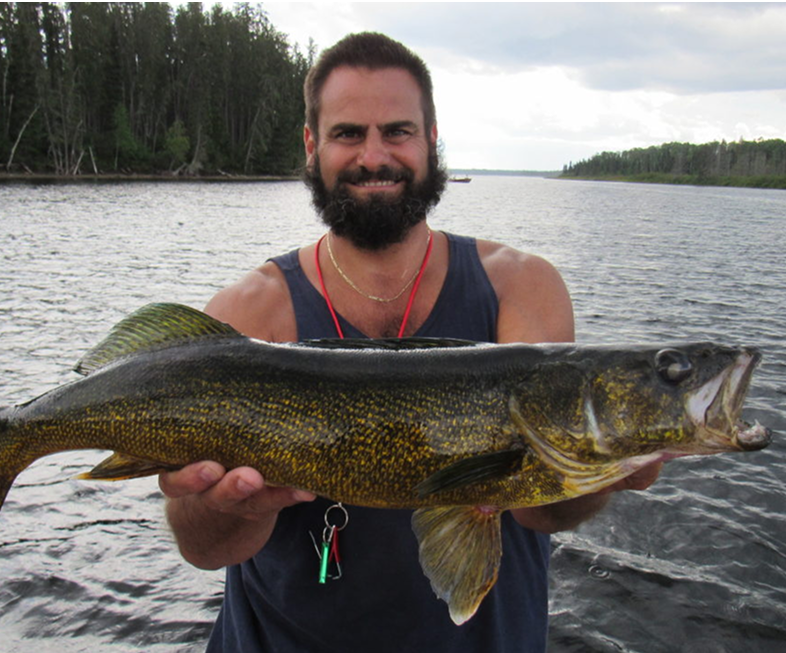
WALLEYE
Sander Vitreus
Key Habitats: Look for Walleye along main lake points, sunken reefs, river inlets and outflows, and sharp structural drop-offs. They often relate to the bottom in 15 to 30 feet of water, moving shallower during low light conditions (dawn/dusk).
Best Time of Year: Walleye fishing is excellent throughout the season, with strong action in the early season (May/June) and consistent volume through the summer and into the fall.
Trophy Expectation: While 18–20 inch fish are common, our system produces multiple Walleye over 30 inches annually.
Rod & Reel6’6″ to 7′ Medium-Light, Fast Action Spinning RodA sensitive tip is crucial for detecting subtle Walleye strikes. Pair with a 2000- or 2500-size spinning reel.Main Line10 lb Braided LineOffers sensitivity and strength for working jigs in deeper water.Leader6–8 lb Fluorocarbon LeaderEssential for invisibility in our clear waters. Use a simple Albright or Double Uni knot to connect to the braid.The Critical Item1/4 to 3/8 oz JigsChartreuse, white, or firetiger are proven local colors. Tip with a scented soft plastic or live minnow/leech (where permitted).
Vertical Jigging: Best over submerged structures, reefs, and points. Drop your jig directly under the boat and use a gentle lift-and-drop motion, ensuring the jig taps the bottom every few seconds.
Trolling: Use crankbaits (like Shad Raps or Husky Jerks) along drop-offs or main lake basins. Adjust speed and line length until the lure is ticking the top of the structure.
Casting: In shallow, windblown areas, casting a crankbait or a slip-bobber rig toward shore can be deadly, especially during morning and evening feeding windows.
NORTHERN PIKE
Esox Lucius
Key Habitats: Focus on shallow, weedy bays, submerged weed lines, pencil reeds, and around sunken timber. In mid-summer, larger trophy pike often migrate to deep water drop-offs and structural points adjacent to deep basins.
Best Time of Year: Outstanding action immediately following ice-out (May/June) when big pike bask in the shallows. High-volume action continues all summer, with trophy hunting peaking in the cool waters of late fall.
Rod & Reel7’0″ to 7’6″ Heavy or Medium-Heavy, Fast Action Baitcasting RodNeeds significant backbone to throw large baits and handle explosive headshakes. Pair with a heavy-duty casting reel featuring a strong drag system.Main Line30 to 50 lb Braided LineEssential for ripping lures through thick vegetation and preventing snap-offs on heavy hooksets.Leader12–18″ Steel or 80–100 lb Fluorocarbon LeaderCritical bite guard. Pike possess razor-sharp teeth that will instantly slice through regular fishing line.The Critical ItemOversized Spoons or 6–8″ Inline Bucktail SpinnersClassic red-and-white or silver/gold spoons create massive vibration and flash that trigger aggressive instinctual strikes.
Casting Spoons & Swimbaits: Fan-cast shallow weed flats and structural edges. Retrieve with erratic “ripping” or “fluttering” pauses to mimic a wounded baitfish, which often triggers explosive follow-up strikes.
Trolling Weed Lines: Cruise at a faster pace (2.5 to 3.5 mph) along steep drop-offs or large weed beds using deep-diving crankbaits to cover massive amounts of water and find active fish.
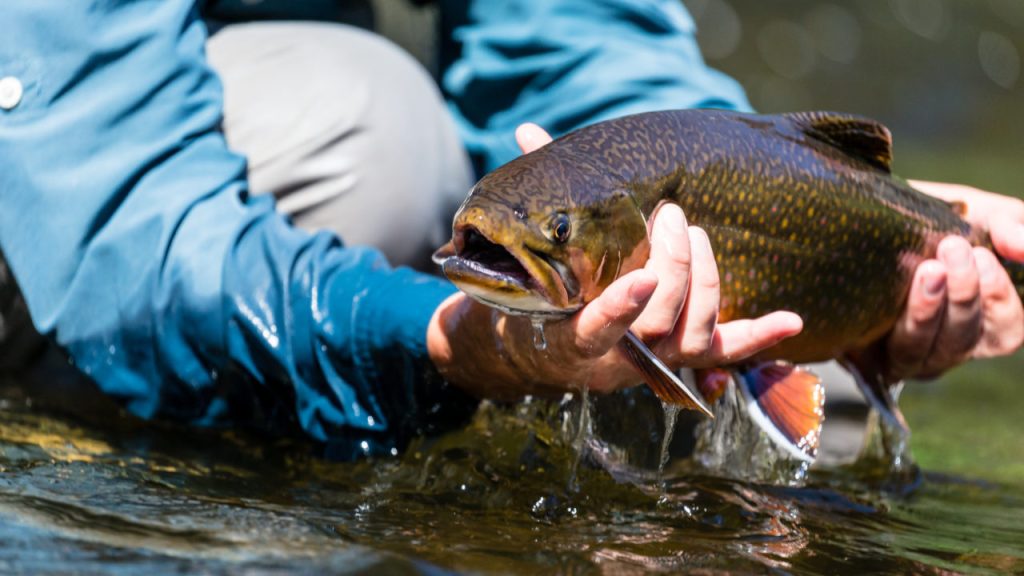
BROOK TROUT
Salvelinus Fontinalis
Key Habitats: Seek them out in fast-flowing wilderness streams, deep river pools, bubbling rapids, and cold, spring-fed lakes. They heavily relate to current breaks, undercut banks, and submerged logs.
Best Time of Year: Spring (May/June) is peak season as bugs hatch and fish feed heavily in the shallows. Fall brings stunning spawning colors and aggressive territorial behavior, though local seasonal regulations apply.
Rod & Reel5’6″ to 6’6″ Ultra-Light to Light, Fast Action Spinning RodMaximizes the thrill of the fight while providing the precision needed for tight casts. Pair with a 500- or 1000-size spinning reel.Main Line4 to 6 lb Monofilament or Fluorocarbon LineClear, low-diameter line is paramount for these incredibly line-shy fish in crystal-clear water.Leader3–4 lb Fluorocarbon LeaderEssential for total invisibility if using a light braided main line. Connect with a small barrel swivel to prevent line twist.The Critical ItemSmall Inline Spinners (Size 0 to 2)Gold, silver, or black fury blades (like Mepps or Blue Fox) create the perfect flash. Tipping with a piece of live worm can be a game-changer.
Upstream Casting: Approach rivers from downstream to avoid spooking these highly sensitive fish. Cast small spinners or lightweight spoons upstream into current seams and retrieve back at the speed of the flow.
Float & Drift Fishing: Suspend a small jig, artificial nymph, or live worm under a sensitive trout float. Allow the current to naturally drift the presentation past deep pools, undercut banks, and rock structures.
LAKE TROUT
Salvelinus Namaycush
Key Habitats: Lake Trout crave highly oxygenated, sub-50°F water. In spring, they cruise shallow shorelines and reefs, but as summer progresses, they drop deep into the thermocline, holding along underwater cliffs and basins from 50 to over 100 feet deep.
Best Time of Year: Late May and early June offer thrilling shallow-water casting action. July and August are highly consistent for deep-water trolling and vertical jigging.
Rod & Reel7’0″ to 7’6″ Medium-Heavy to Heavy, Fast Action Casting or Spinning RodRequires a robust backbone to handle deep weights, heavy lures, and punishing runs. Pair with a line-counter reel or 4000-size spinning reel.Main Line20 to 30 lb Braided LineVirtually zero stretch provides the exact sensitivity needed to detect deep-water strikes and drive heavy hooks home.Leader15–20 lb Fluorocarbon LeaderA 4- to 6-foot leader provides stealth against clear water and critical abrasion resistance against sharp, deep rocky structures.The Critical Item1 to 2 oz White Tube Jigs or Trolling SpoonsLarge white soft-plastic tubes or classic silver spoons mimic the cisco and whitefish that comprise a trophy laker’s primary diet.
Deep Water Vertical Jigging: Pinpoint deep schools on your electronics over main-lake humps or basins. Drop a heavy tube jig directly to the bottom, snap it upward forcefully, and let it spiral back down, keeping a taut line to feel the hit on the drop.
Trolling with Downriggers/Lead Core: During summer, utilize downriggers or heavy lead-core lines to present large spoons (like Williams Wobblers) precisely within or just below the thermocline at depths of 60–100 feet.
STORIES FROM THE NORTH
Ice Breaker
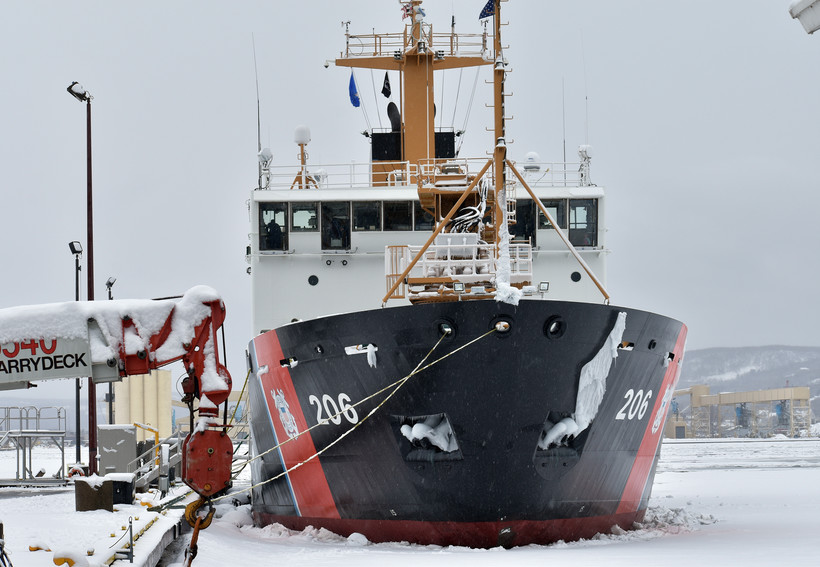
A breakthrough for Great Lakes shipping, Congress authorizes a new heavy icebreaker The $858B defense bill includes authorization for another icebreaker By Dani...
Water Quality
Click the link to read the latest Ontario Water Quality report https://wildernessnorth.com/wp-content/uploads/2023/04/Ontario-water-quality.docx
How Water Temperature Affects Fishing
Freshwater fish are all cold-blooded species. This means their internal temperature and functioning are affected by the temperature of their surroundings since...
FAQ'S
-
CAN I DRIVE TO THE LODGE/CABIN?
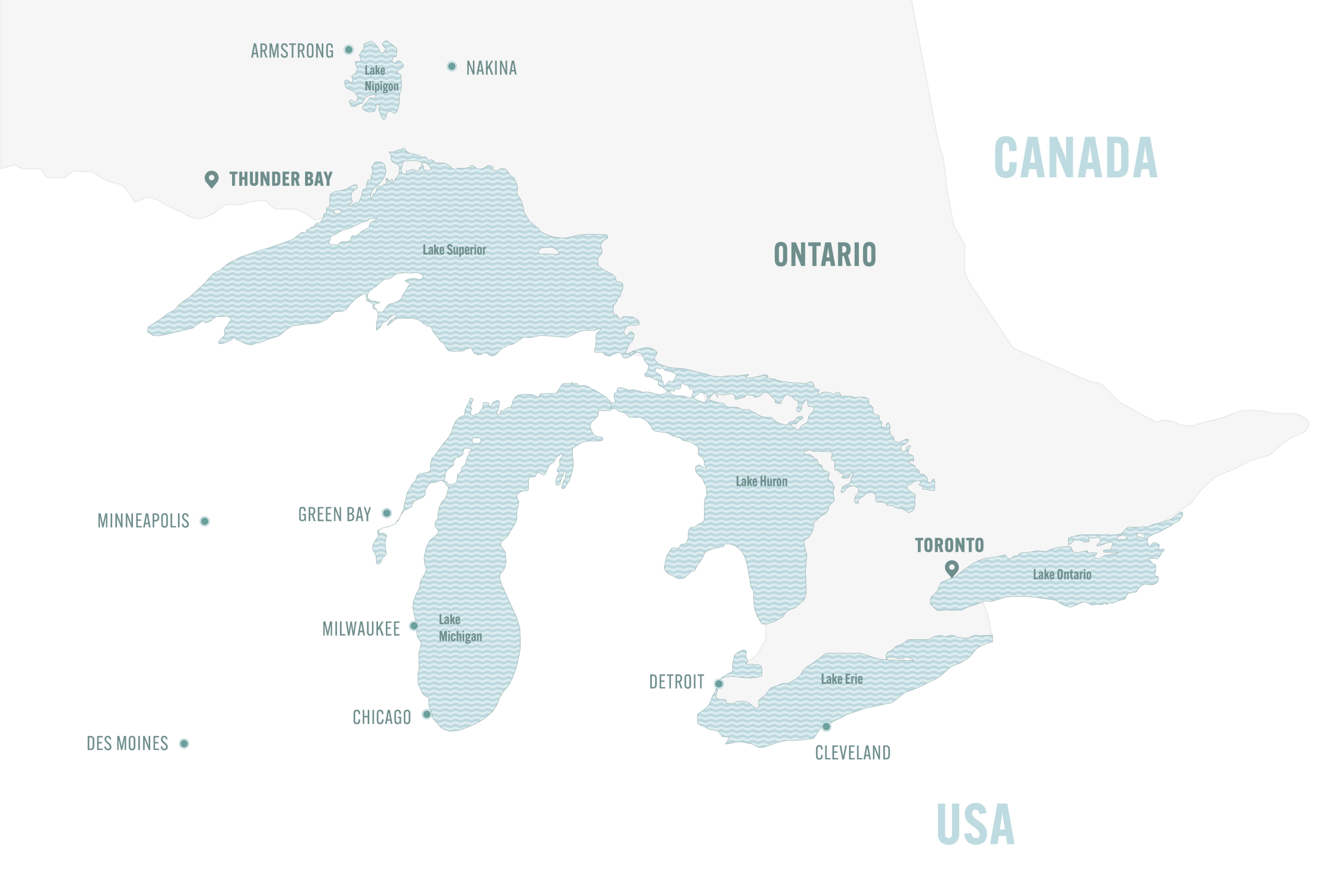
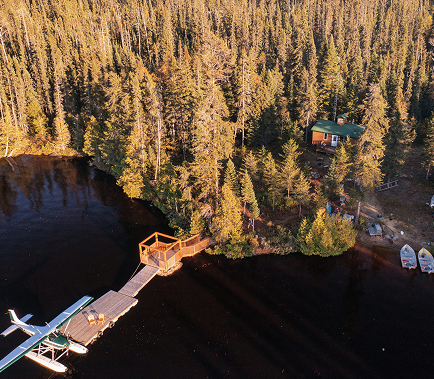
All of our lodges and cabins are accessible only by floatplane. Our seaplane base is located 2.5 hours north of Thunder Bay. Guests can drive to our base or fly in to Thunder Bay, rent a car and drive to the base. We operate a DeHavilland Turbine Otter
-
DOES WILDERNESS NORTH HAVE THE SAFE TRAVEL STAMP?
Yes
-
HOW DO WE GET TO THE LODGE?
Located 2.5 hours north of Thunder Bay, ON, we can be reached by driving or flying into Thunder Bay Airport and renting a car for the last leg of the drive.
-
WE ARE NON-RESIDENTS OF CANADA; DO WE STILL HAVE TO PAY ALL OF THE TAX?
All guests will be charged the full 13% HST.
-
HOW CAN I PAY FOR MY TRIP?
We accept cash, VISA, MasterCard, and personal cheques for both deposits and final payment. All our rates are in USD. For other currencies, the daily exchange rate will be used to calculate payments
We do not accept American Express or Discover cards.
-
DO I NEED TO BRING ANY OF THE FOLLOWING?
- Life-Jackets – Legally required for all passengers in a boat. Life-jackets (otherwise known as Personal Floatation Devices) are provided at full-service lodges and are also available to rent for outpost and housekeeping guests.
- Depth/fish finders – Provided free of charge at lodges and available for rent for outpost guests.
- Live Bait – Many guests use artificial bait, but we do have minnows, crawlers, and leeches available for pre-order.
- Bagged Ice – Available for all guests. If going to an outpost it will be flown in with you.
- Drinking water – Potable water is available at all full service lodges. However, outpost and housekeeping guests should bring a water treatment system, boil water, or bring bottled water.
- Communication equipment – Free WiFi is provided at all our facilities; only a mobile device with Internet capabilities is required.
-
WHAT ARE THE TEMPERATURES LIKE IN NORTHERN ONTARIO?
Average Monthly Temperatures
May:High of 62*F (17*C)-Low of 37*F (3*C)
June:High of 69*F (20*C)-Low of 45*F (7*C)
July:High of 76*F (24*C)-Low of 52*F (11*C)
Aug:High of 74*F (23*C)-Low of 50*F (10*C)
Sept:High of 63*F (17*C)-Low of 41*F (5*C)
-
HOW LONG IS THE FLOATPLANE RIDE?
The float plane ride can be as short at 20 mins or as long as 2 hours, depending on your chosen destination. In some cases, we utilize a wheeled plane to access Miminiska Lodge.
-
HOW MUCH WEIGHT ARE GUESTS ALLOWED PER PERSON?
Miminiska Lodge: 50lbs. per person
Makokibatan Lodge: 75lbs. per person
Striker’s Point Lodge: 75lbs. per person
Whitewater Lodge: 125lbs per person
Mojikit Channel Lodge: 125lbs per person
All Outposts: 125lbs per person* for floatplane flights originating out of Armstrong, overweight will be charged at $1 per pound. If a separate plane is needed to bring the gear in, charter rates will apply. Flights originating out of Thunder Bay or Nakina need to be especially cautious, sticking to weight limits
-
WHERE ARE YOU LOCATED?
Our Guest Services Center and headquarters are in Thunder Bay and are easily accessible from Thunder Bay International Airport or via major highways. We can be found at 531 Shipyard Dr.
PRE-DEPARTURE GUIDE
Planning a wilderness adventure at Wilderness North starts well before you board the floatplane. This guide gives you everything you need to know before your trip: travel logistics, packing essentials, cabin access, and what to expect on arrival so that your journey is seamless and memorable.
PRESERVING THE WILD
At Wilderness North we believe that the wilderness we operate in is not just our workplace. It is our responsibility. For more than 30 years we have worked to preserve the natural health of the lakes, forests, and remote ecosystems around our lodges and outposts. We take great pride in being a conservation focused operation with a long standing commitment to fisheries, habitat protection, and sustainable travel.